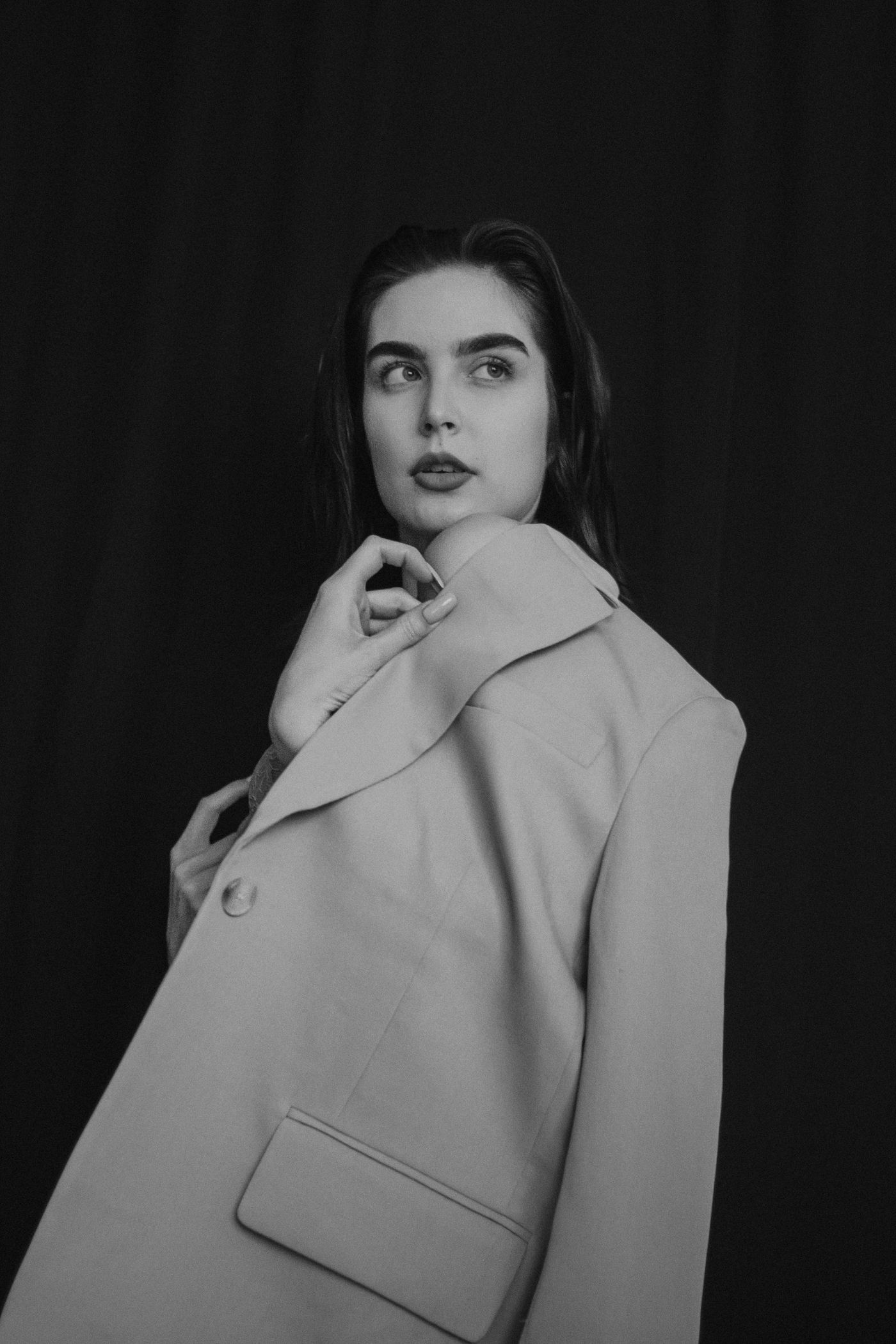
 01Outerwear
Bone Overcoat
Unlined, dropped shoulder, cut long.
480 gsm1240 gOuter
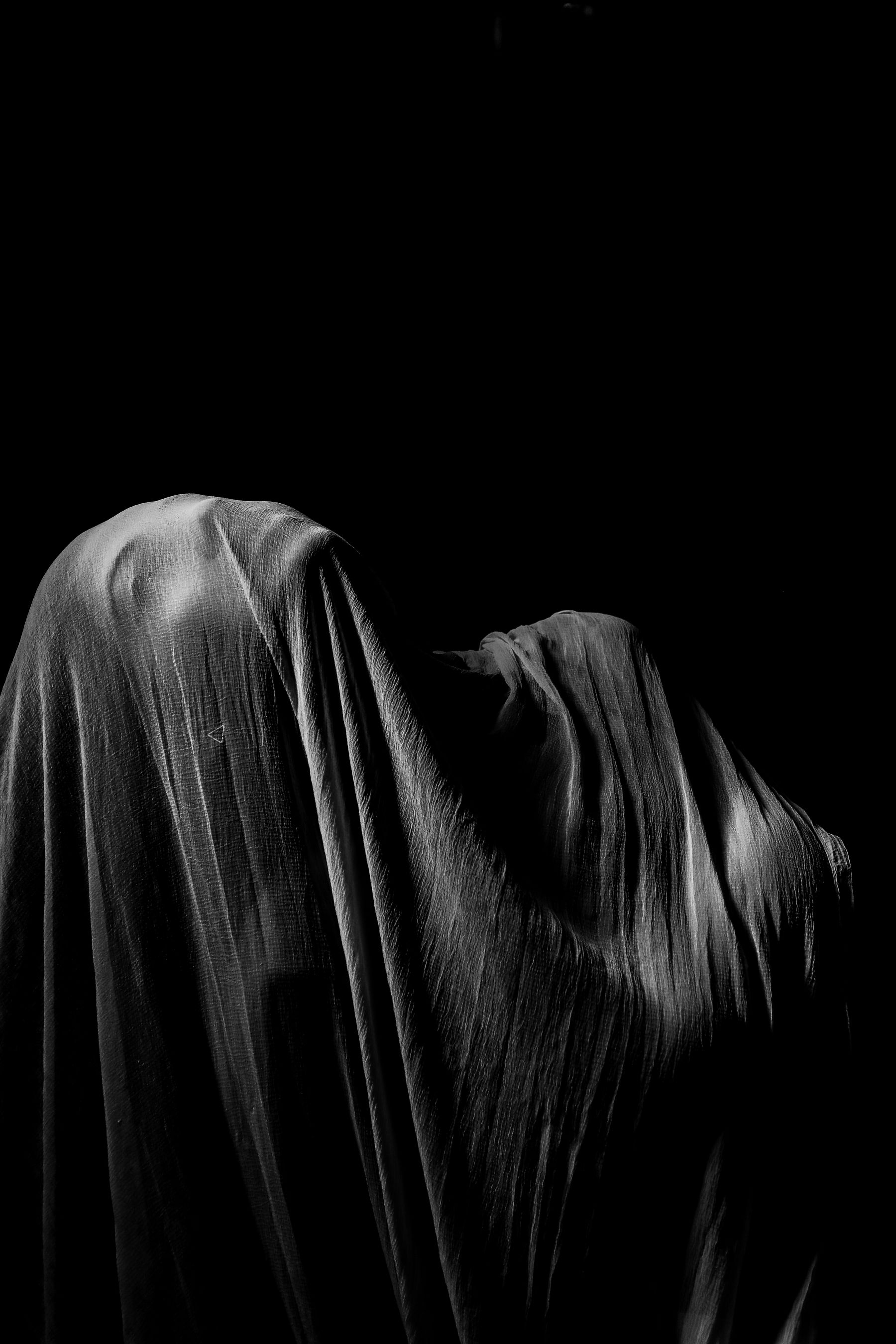
Scroll sideways through the six pieces the drop leads on. Every one arrives on its own, tilts to your cursor and resolves out of the grade as you hold it; each is tagged for a layer — outer, mid or base — and drops into that layer of your look. The other ten are on the rack a little further down.
C/01Outer
Unlined, dropped shoulder, cut long. One colourway per run.
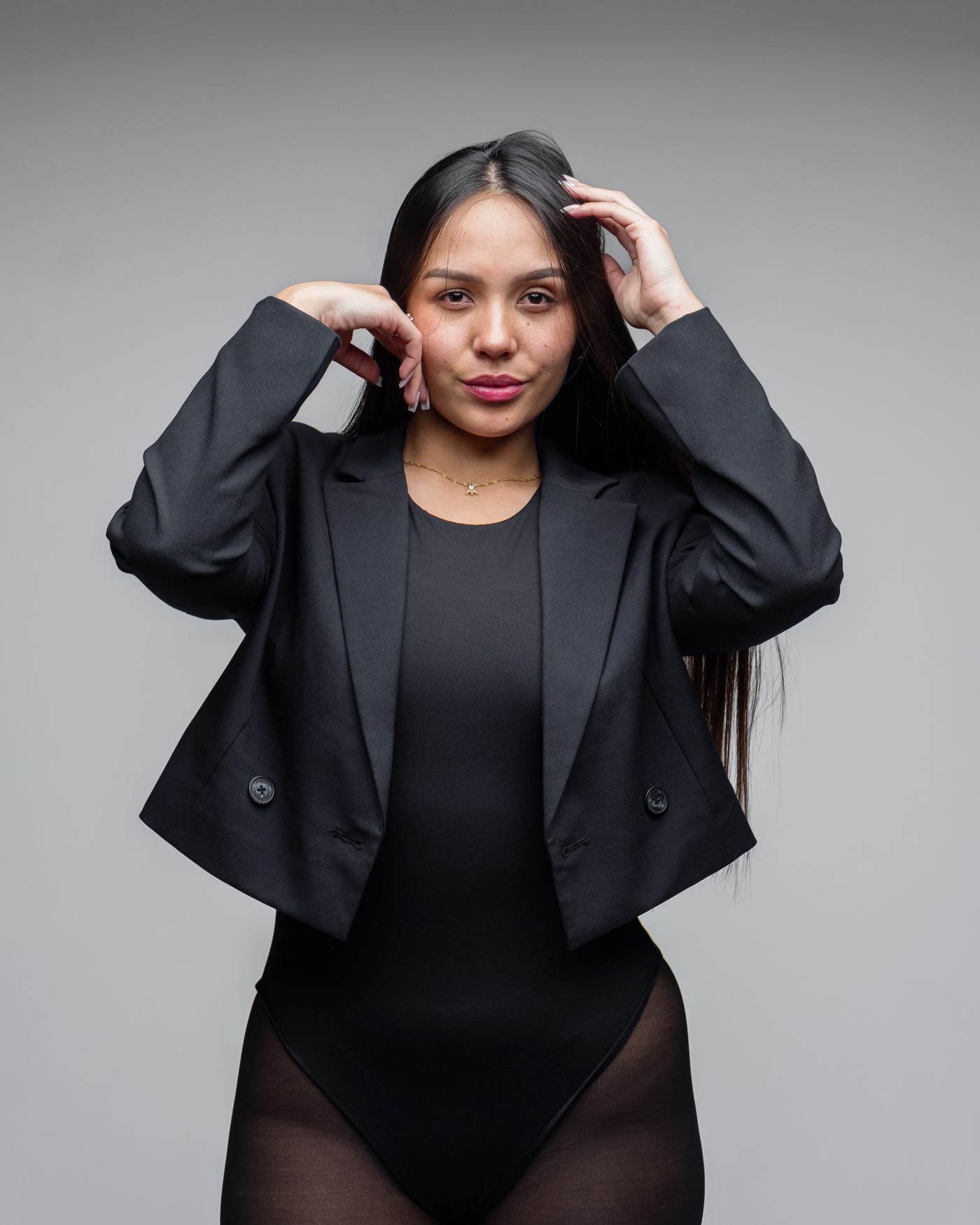 C/02Outer
Four-panel body, seams left proud on the outside.
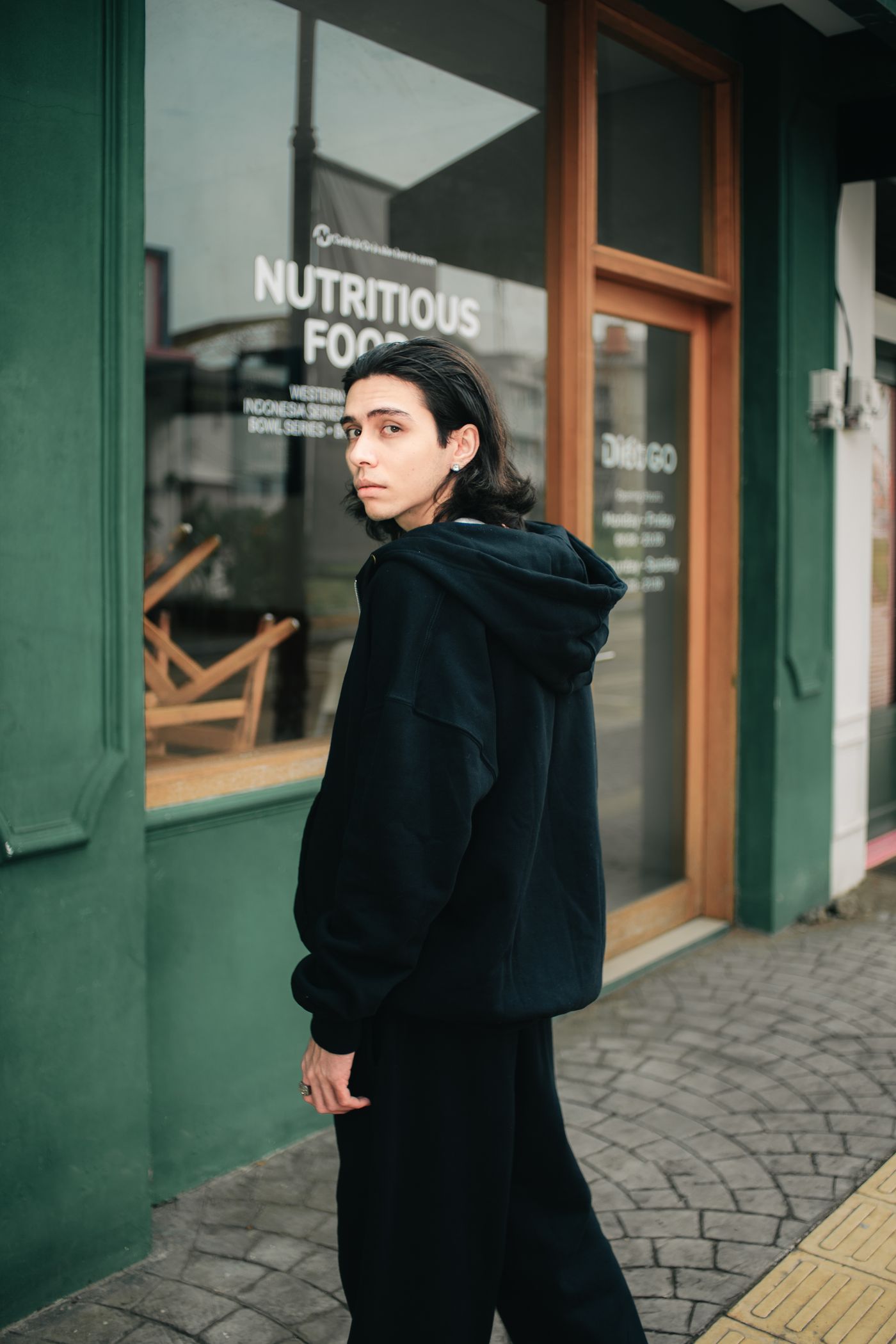 C/03Mid
Loopback hood, boxed shoulder, hem left raw on purpose.
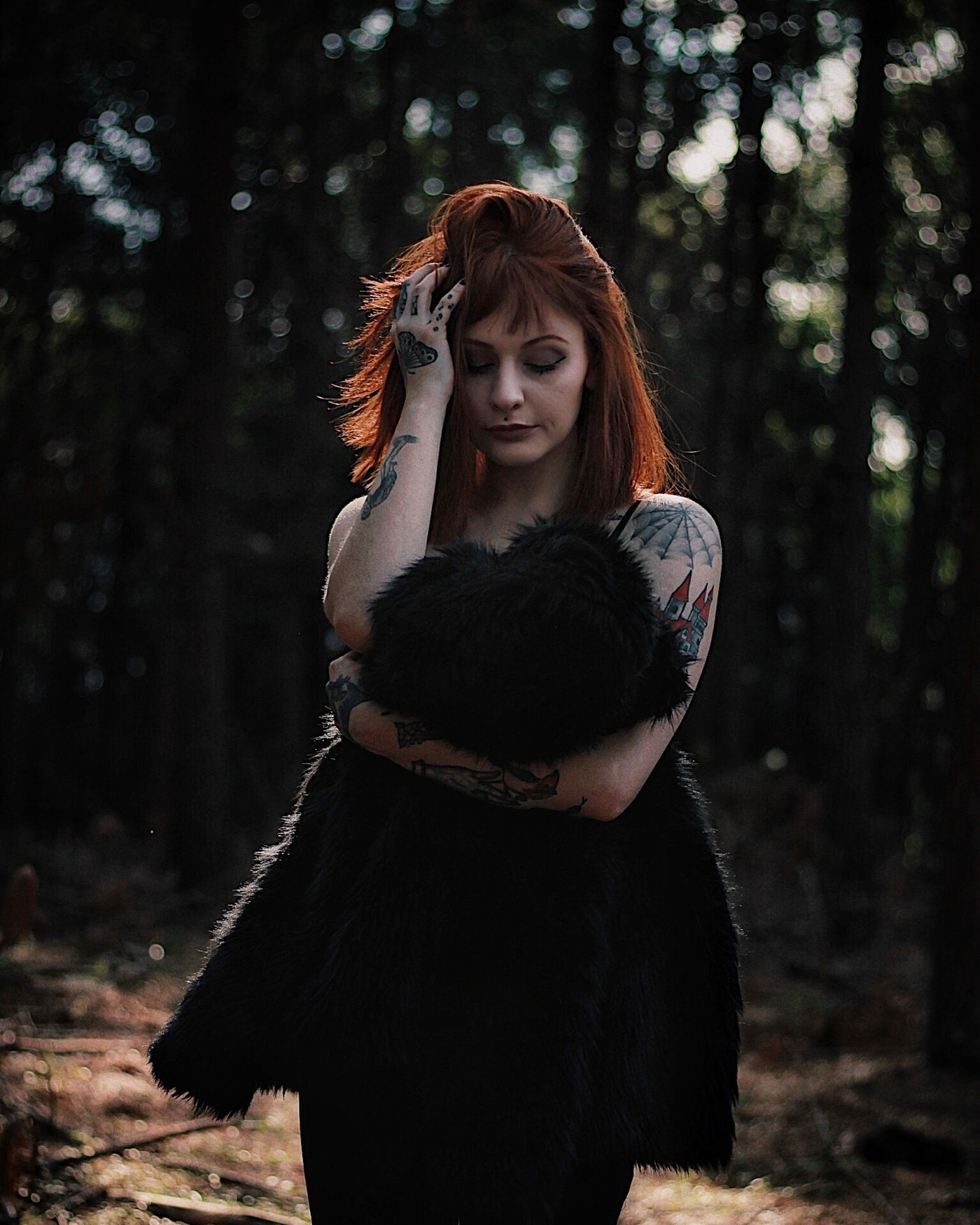 C/04Mid
Pullover smock, one pocket across the front, no closures.
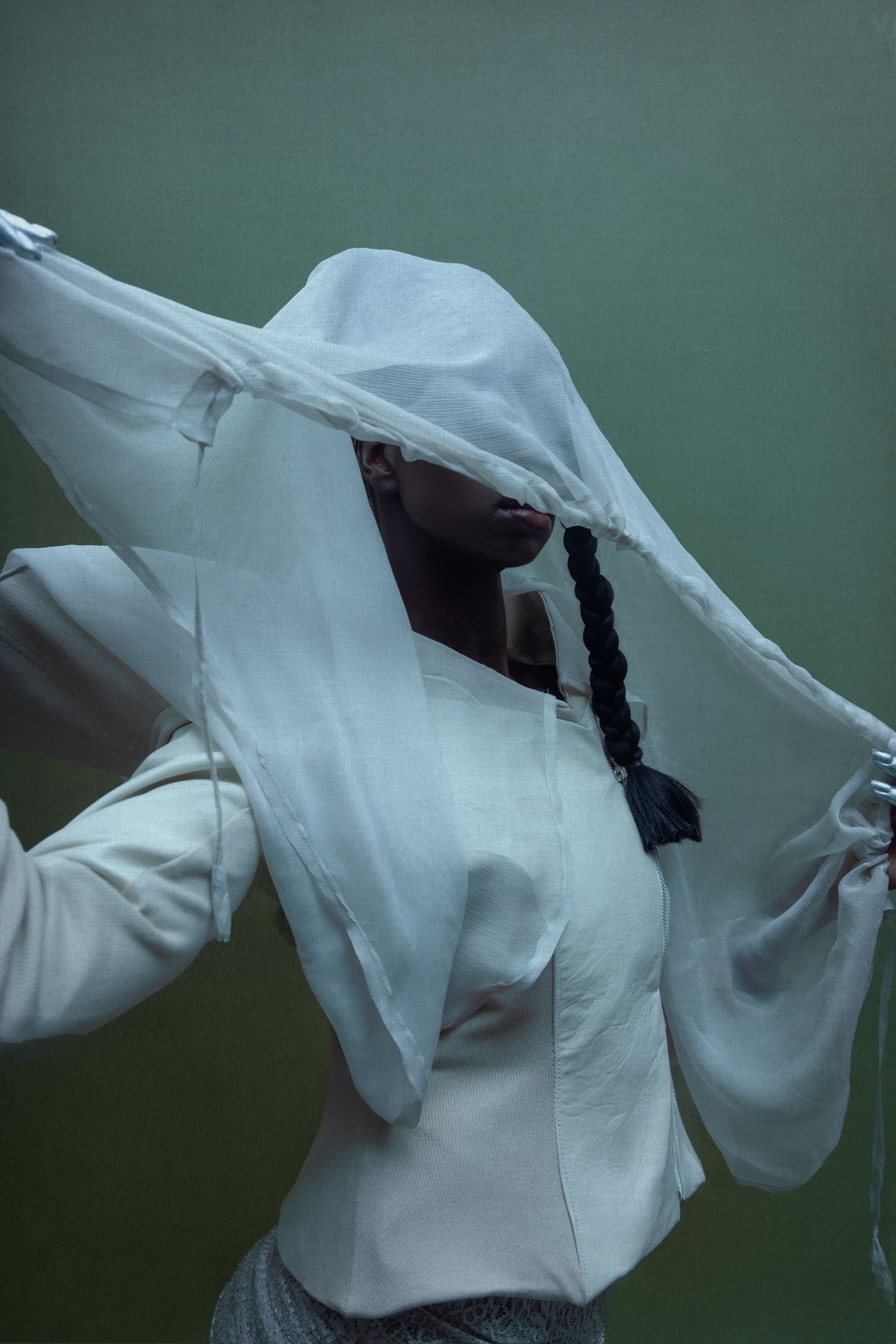 C/05Base
The lightest thing on the loom. Open weave, worn against skin.
 C/06Base
Cut twice as wide as it needs to be, so it moves first.
One outer, one mid, one base. The tray further down the page weighs whatever you pick, live — and the rack has ten more pieces to pick from.
Keep scrolling. The pattern pieces land in the order they are actually cut, then every seam closes itself — eight of them, stitch by stitch. The pieces are filled with the real cloth from the loom shot further down.
Cut on the fold. The only piece with no seam through it.
Mirror of 03. Grain runs with the warp, never across it.
Overlaps left by 30mm so the centre seam sits proud.
Cut with a forward pitch, so the arm hangs instead of sticking out.
Same pattern, flipped. Both taper 40mm to the cuff.
Two-piece hood, set deep enough to actually sit up.
Doubled and turned, which is what stops a heavy body dropping.
Drop 01 in full. Sixteen pieces, six categories, one cloth underneath all of it.
01Outerwear
Unlined, dropped shoulder, cut long.
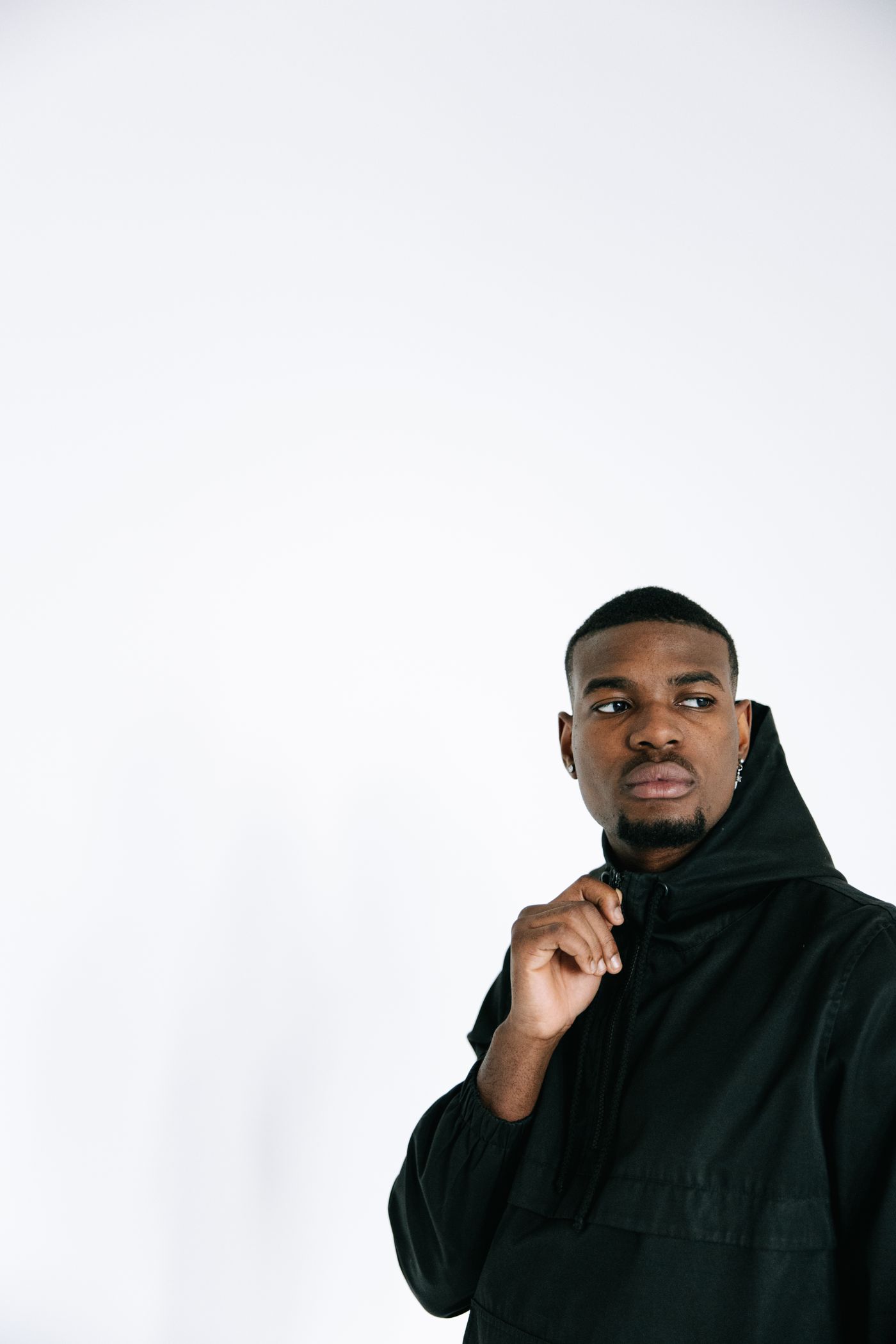 02Outerwear
Pullover shell, one chest opening, nothing else.
03Outerwear
Four-panel body, seams left proud outside.
 04Knitwear
The heavy one. Knitted to the same gauge as the cloth.
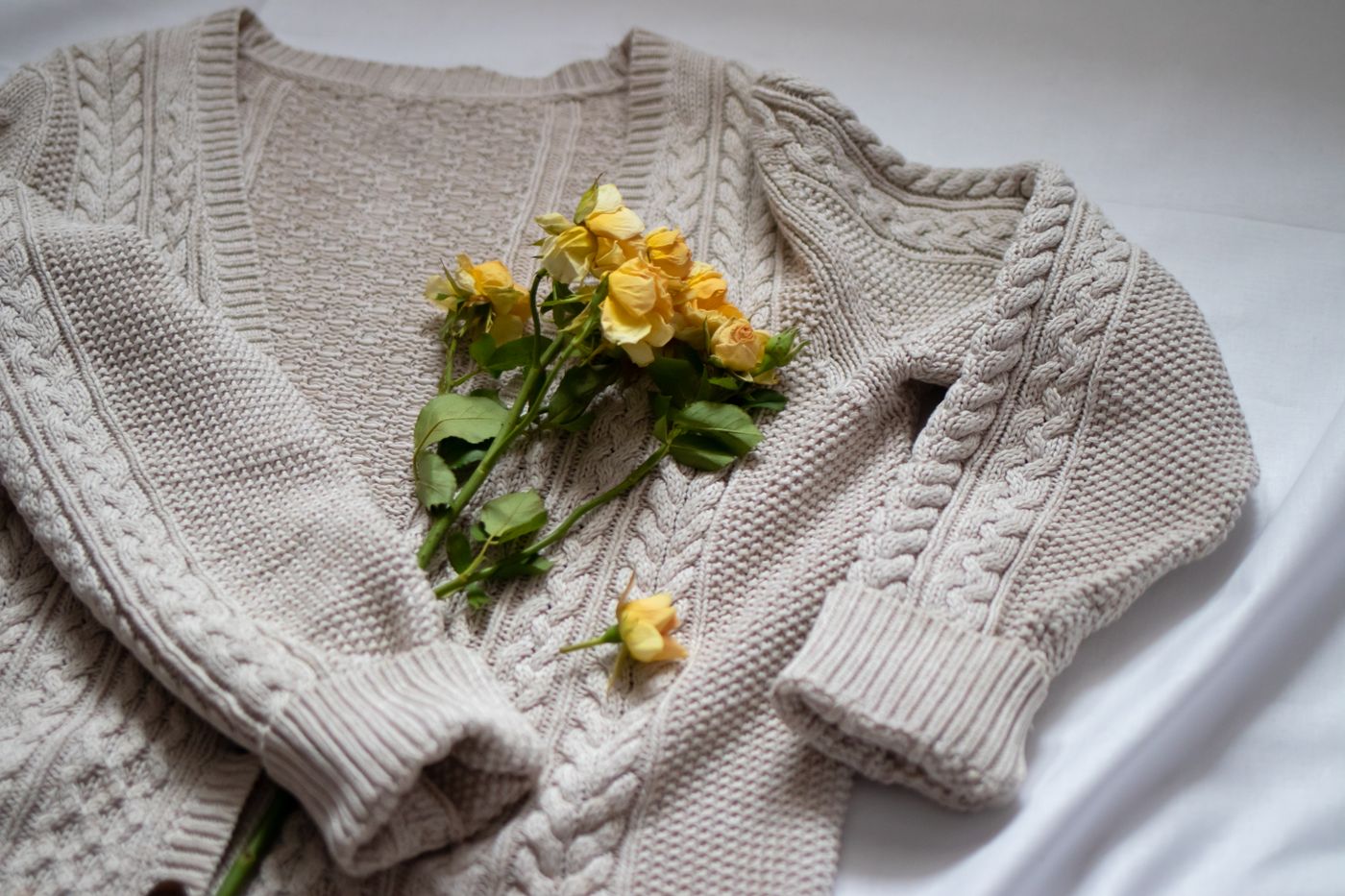 05Knitwear
Cabled front, horn buttons, no pockets at all.
 06Knitwear
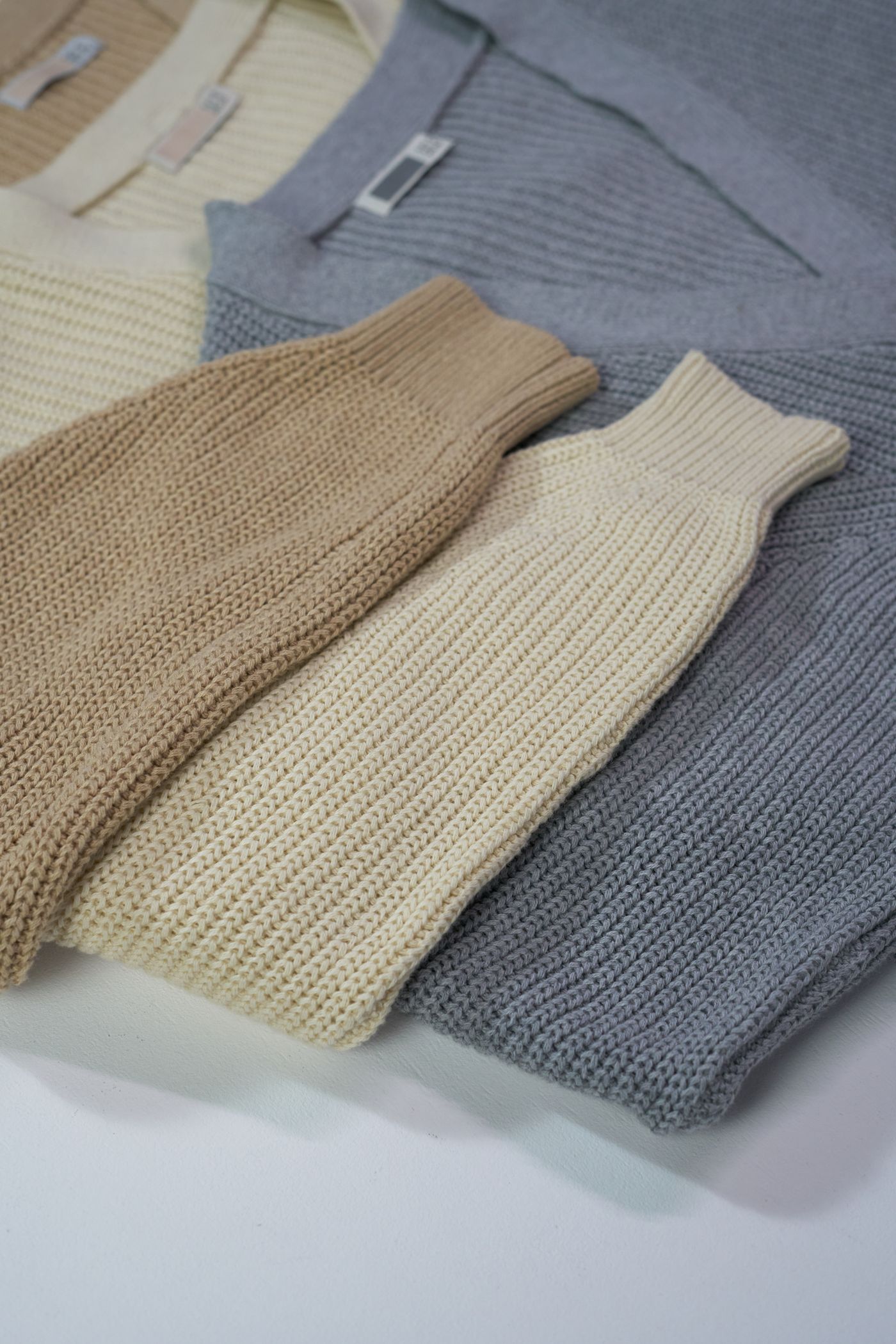
Two-by-two rib throughout, including the body.
 07Shirting
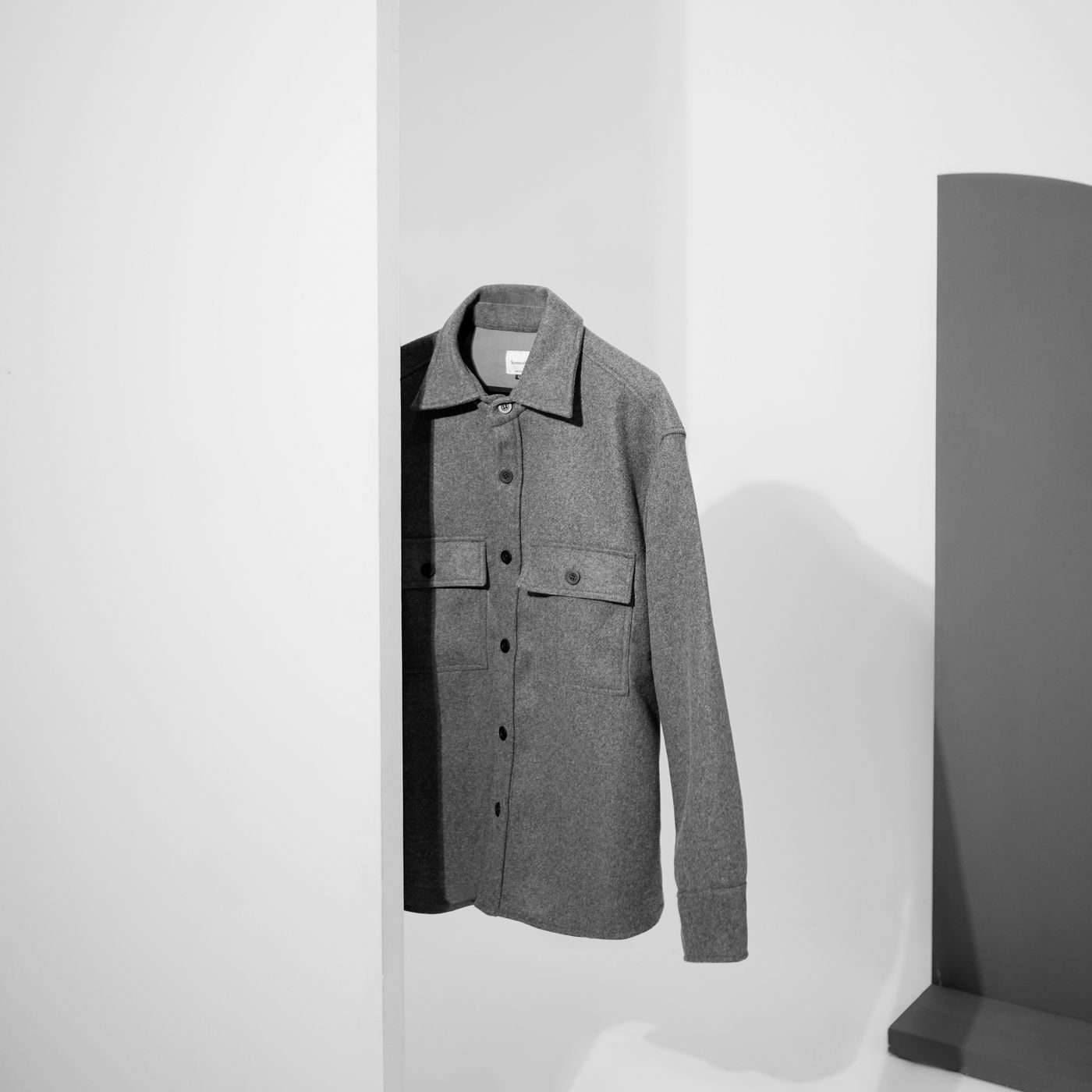
Shirt pattern, jacket weight. Worn over or under.
 08Shirting
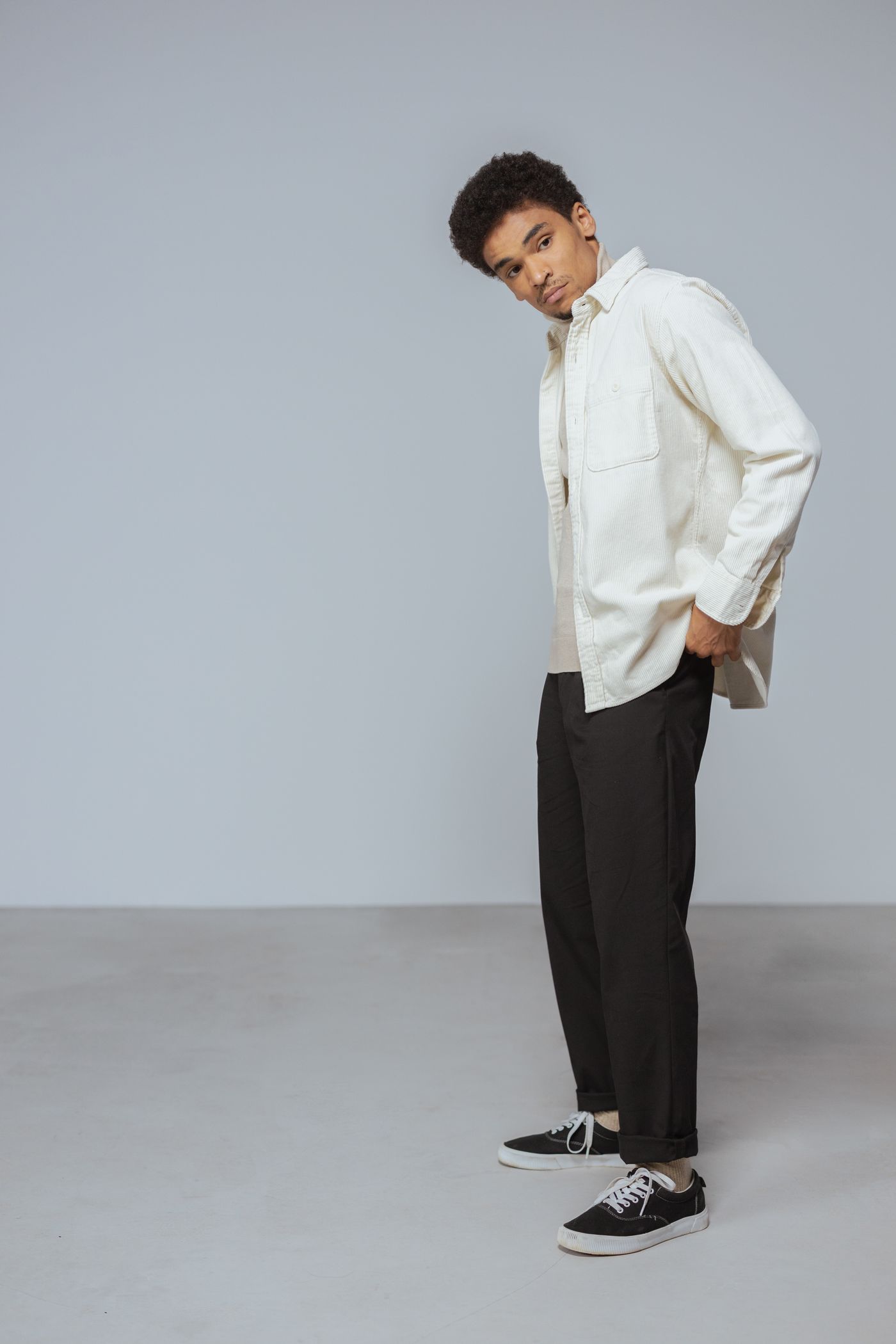
Cut on the cutting table measurements, nothing taken in.
09Knitwear
Loopback hood, boxed shoulder, raw hem.
10Knitwear
Pullover smock, one front pocket, no closures.
 11Jersey
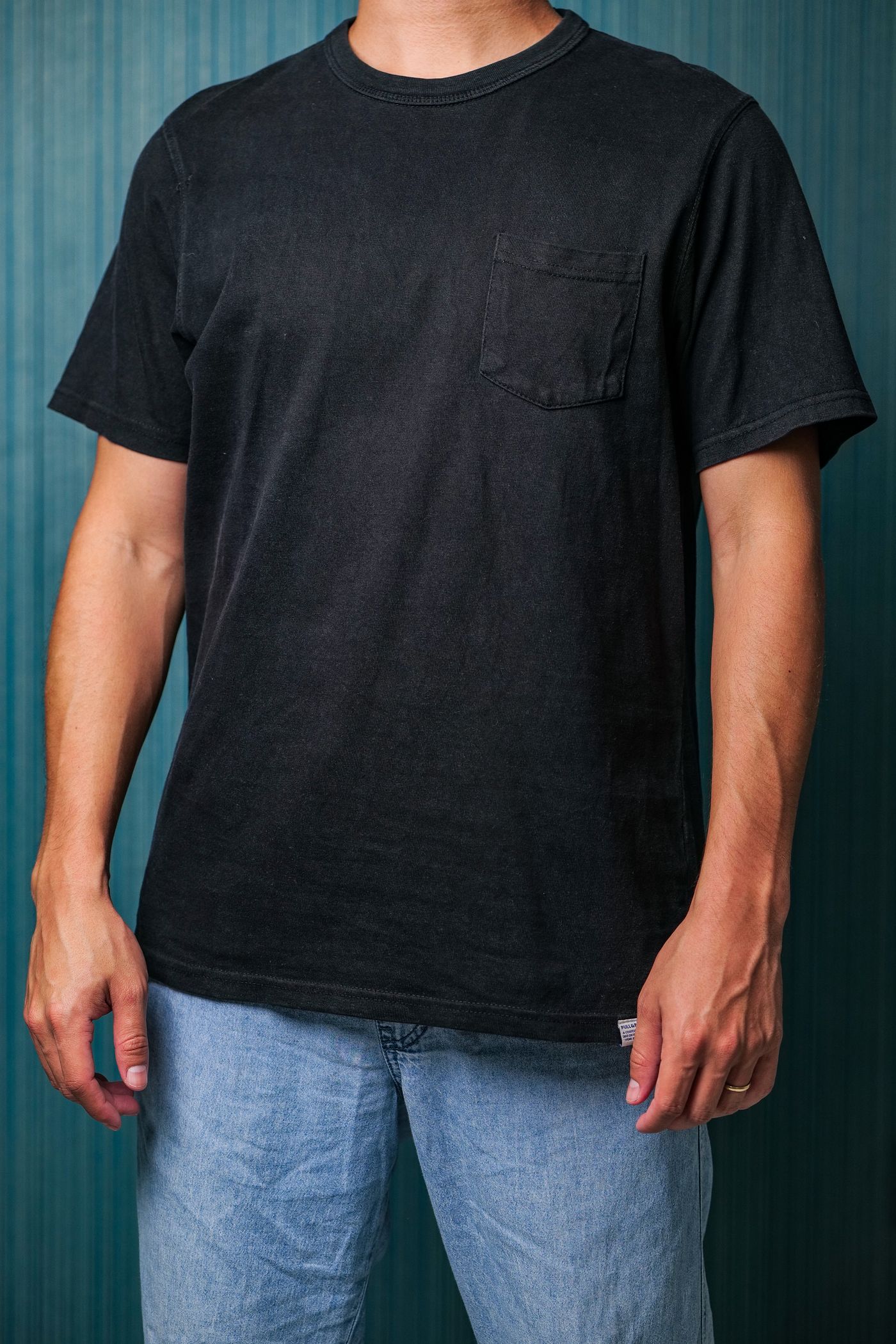
One patch pocket, set crooked on purpose.
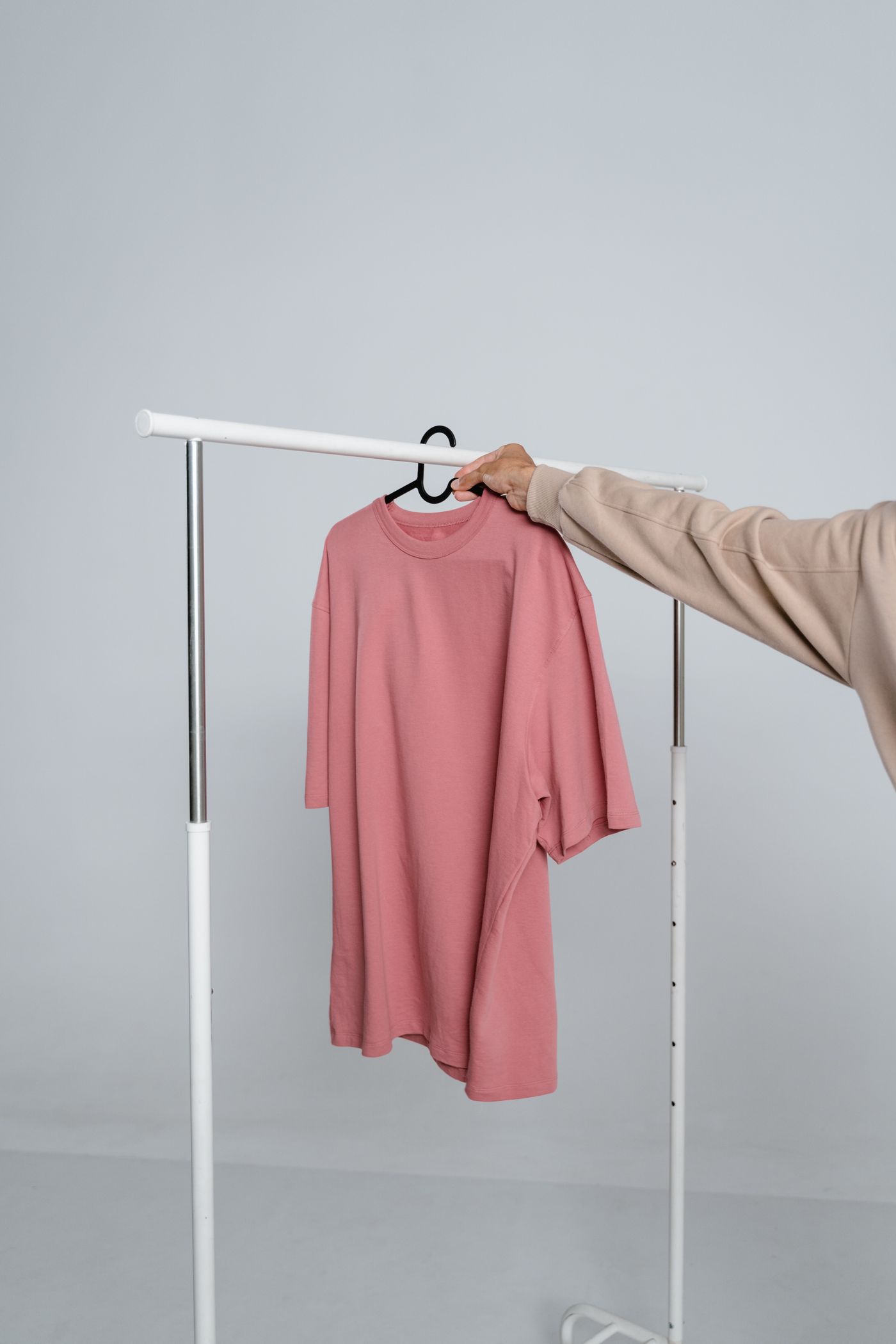 12Jersey
Garment dyed after making, so no two match exactly.
13Jersey
Cut twice as wide as it needs to be, so it moves first.
14Shirting
The lightest thing on the loom. Open weave, worn on skin.
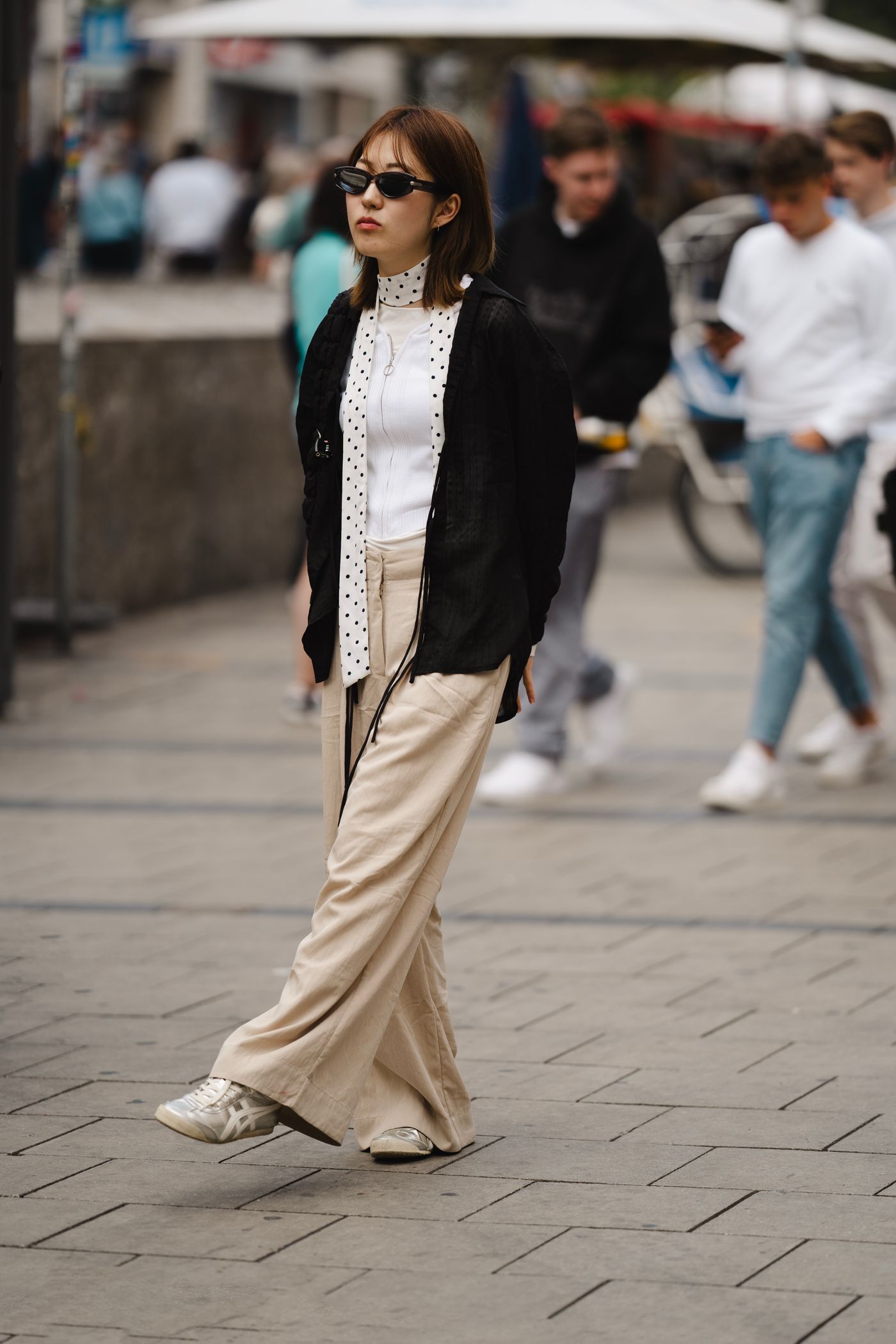 15Trousers
Wide, flat front, hem long enough to break once.
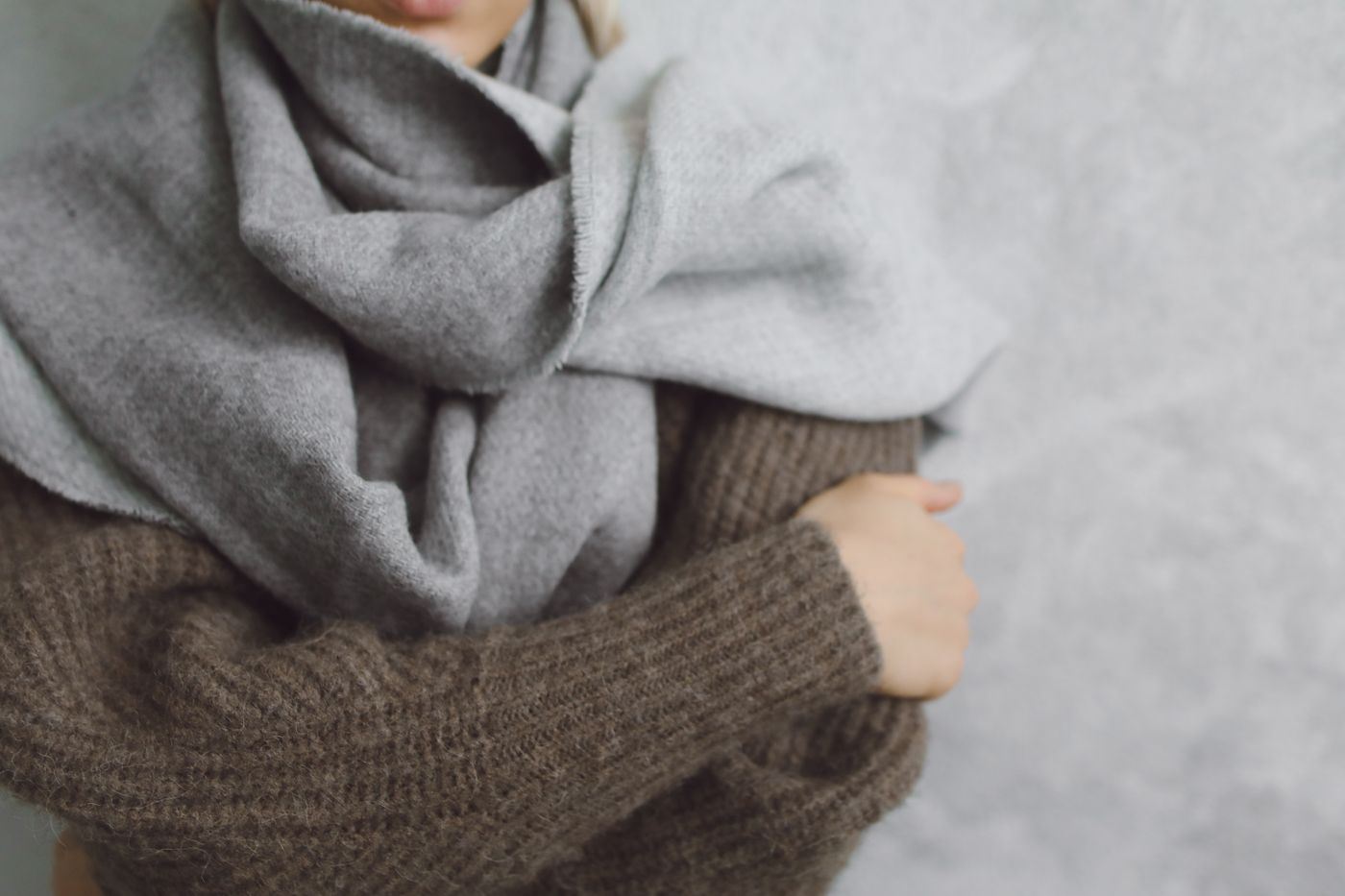 16Accessories
Woven on the end of the warp, when it is nearly out.
Every one of the sixteen pieces comes off this setup. Pick the colourway, the structure and the weight — 220 to 520 gsm — and the swatch is drawn thread by thread into a canvas on every input. Nothing here is a pre-rendered image, and the same tile is laid back over the garment, so the coat takes the cloth you just specified.
Two decisions set the whole drop. Neither of them was a trend board.
 One run — then the rail is empty
A colourway is set up once, woven until the warp is finished, and never set up again. One warp is sixteen pieces, not six hundred — which is also why nothing here restocks. When the rail is empty, the cloth no longer exists.
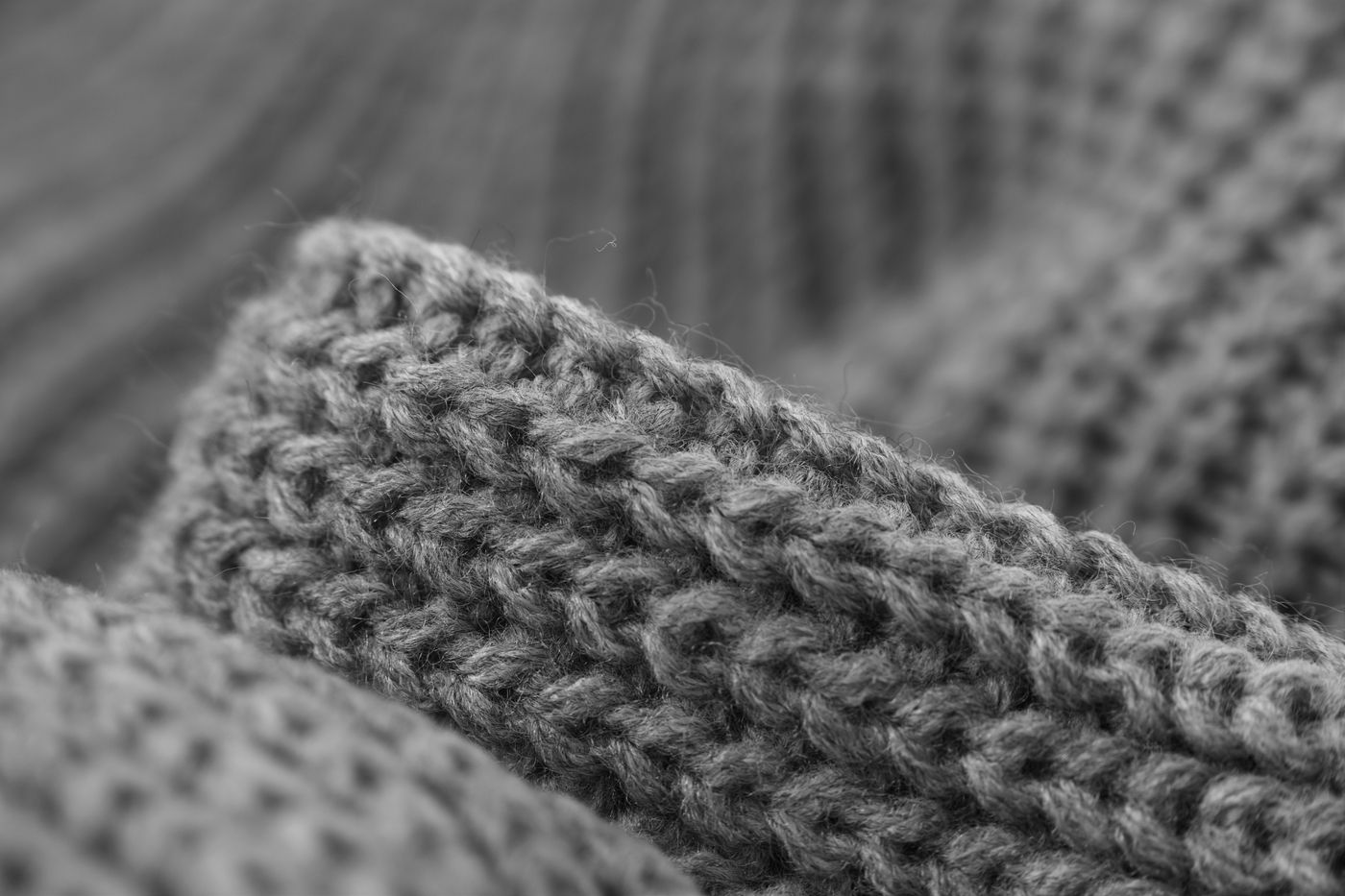 Loom state — macro
No print, no badge, no logo on the outside. What separates one piece from another is the structure of the cloth itself — how the warp and weft cross, and how heavy the yarn is. It is the thing you just set yourself a few sections up.
Anything you added — from the drop rail or from the rack — flies into its own layer here: outer, mid, base, swapping out whatever was holding that layer before. The total weight and the warmth band are recomputed every time you change one. Fill all three and the look unlocks, which is where a real store would hand you a quote. No price appears anywhere on this page because there is nothing to buy.
Stated flatly, with the marketing switched off.
A warp is dressed once and woven out. That is a real constraint of working on a single loom, and it is why the drop is small and does not restock.
Grams per square metre is the number that actually tells you how a piece will hang and wear. It is printed on every piece here instead of a vague word like “premium”.
Construction is left visible rather than hidden. If a seam is doing structural work, you can see which one and where.
Nothing on the outside of any piece carries a name. The structure of the cloth is the only identifying mark.
Monoloom does not exist. It was built as a showcase piece to demonstrate a storefront build style, using real licensed photography of real, unbranded clothing. Nothing on this page is for sale, there is no price anywhere on it, and no inbox is wired up.